Flooding in Nan Province from 17 to 21 August 2026
อิทธิพลจากร่องมรสุมที่พาดผ่านบริเวณภาคเหนือและภาคตะวันออกเฉียงเหนือของประเทศไทยเข้าสู่หย่อมความกดอากาศต่ำบริเวณประเทศเวียดนาม รวมถึงอิทธิพลจากมรุสมตะวันตกเฉียงใต้กำลังค่อนข้างแรงที่พัดผ่านทะเลอันดามัน ประเทศไทยและอ่าวไทย ส่งผลให้ในหลายพื้นที่ของประเทศไทยมีฝนตกเพิ่มขึ้น สำหรับภาค
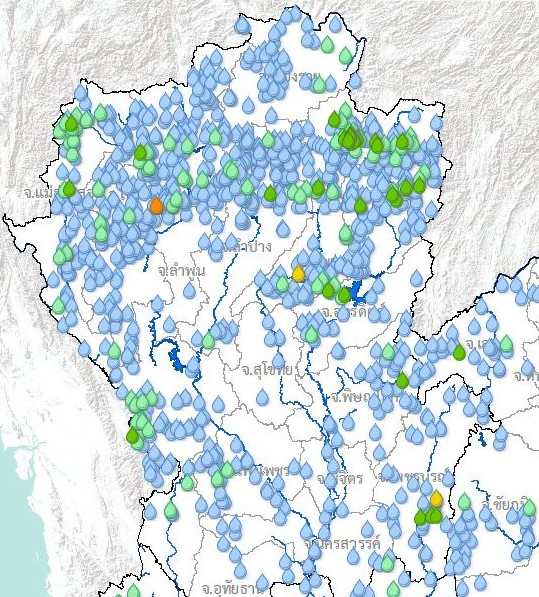
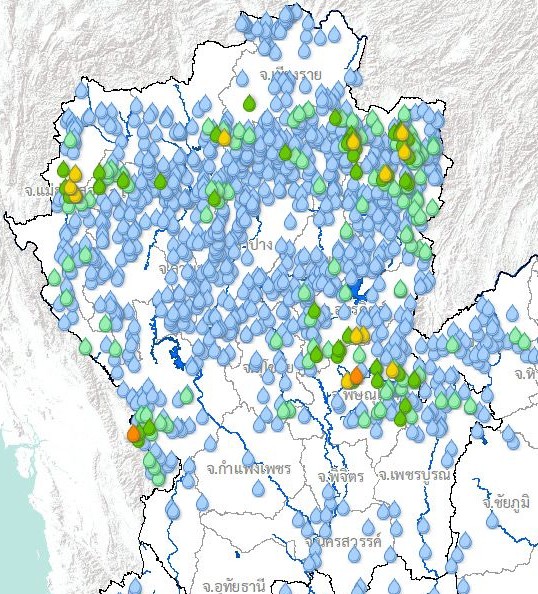
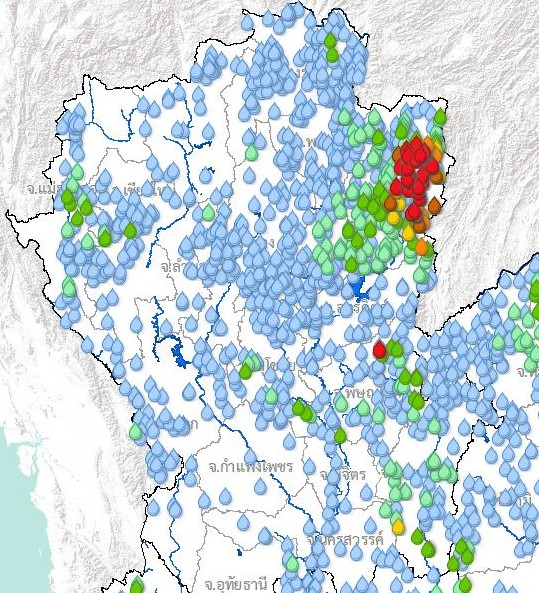
เหนือเริ่มมีฝนตกหนักเกิดขึ้นเป็นหย่อม ๆ ตั้งแต่ช่วงวันที่ 16-17 สิงหาคม 2569 หลังจากนั้นได้มีกลุ่มฝนตกหนักมากเกิดขึ้นกระจุกตัวบริเวณตอนบนของจังหวัดน่านในวันที่ 18 สิงหาคม 2569 หลังจากนั้นกลุ่มฝนตกหนักถึงหนักมากได้กระจายตัวแผ่กว้างไปในหลายพื้นที่ของภาคเหนือในช่วงวันที่ 19-20 สิงหาคม 2569 แต่ในวัน
ถัดมาปริมาณฝนได้ลดลงอย่างมาก แต่ก็ยังคงมีฝนตกหนักถึงหนักมากในบางพื้นที่ ทั้งนี้บริเวณจังหวัดน่านที่มีฝนตกหนักมาก ปริมาณฝนสะสมในแต่ละวันมีมากกว่า 90 มิลลิเมตร เกิดขึ้นที่ อ.บ่อเกลือ อ.ปัว อ.ท่าวังผา อ.สันติสุข อ.แม่จริม อ.ภูเพียง อ.นาหมื่น อ.เชียงกลาง และ อ.เฉลิมพระเกียรติ
This was driven by the influence of the monsoon trough passing through the northern and northeastern regions of Thailand into a low-pressure cell over Vietnam, combined with the relatively strong southwest monsoon sweeping across the Andaman Sea, Thailand, and the Gulf of Thailand. As a result, rainfall increased across many areas of Thailand. For the northern region,
heavy rain began to fall in scattered pockets from August 16–17, 2026. Subsequently, a concentration of very heavy rainfall emerged over the upper part of Nan province on August 18, 2026. Subsequently, areas of heavy to very heavy rainfall expanded across several parts of the northern region during August 19–20, 2026. Although the amount of rainfall decreased significantly the
following day, heavy to very heavy rain still persisted in some areas. Notably, Nan province experienced torrential downpours, with daily accumulated rainfall exceeding 90 millimeters in several districts, including Bo Kluea, Pua, Tha Wang Pha, Santisuk, Mae Charim, Phu Phiang, Na Muen, Chiang Klang, and Chaloem Phra Kiat.
16/8/2026
17/8/2026
18/8/2026
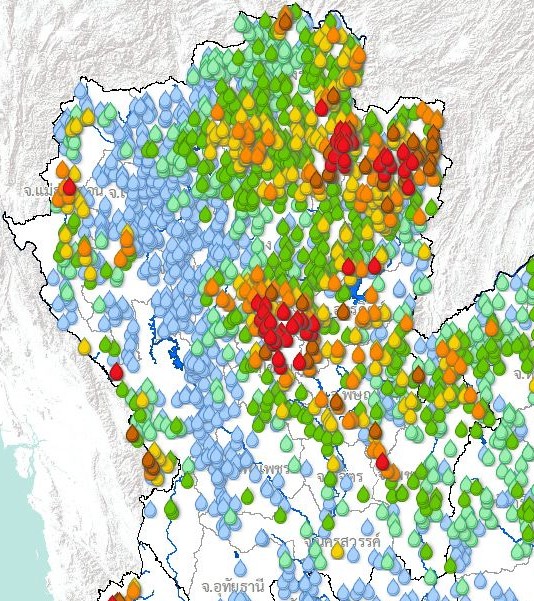
19/8/2026
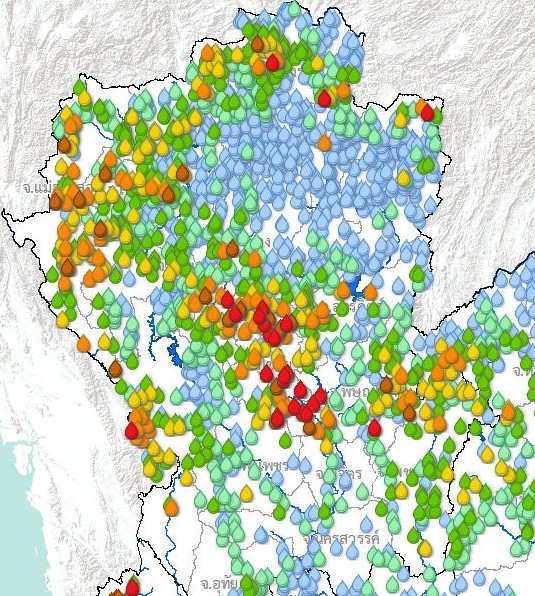
20/8/2026
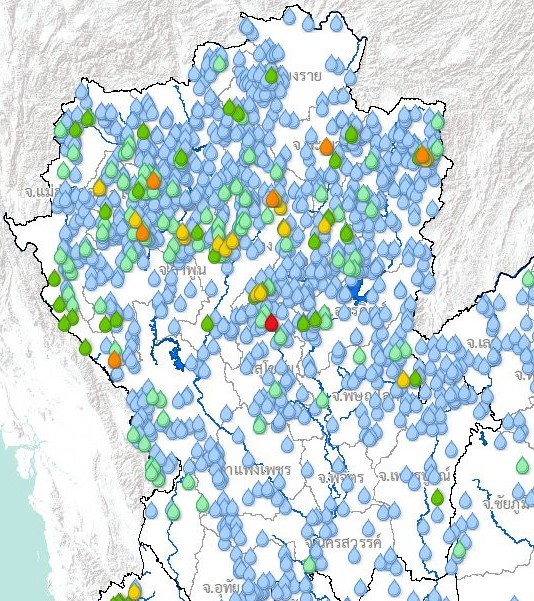
21/8/2026
กรมป้องกันและบรรเทาสาธารณภัย ได้รายงานสถานการณ์อุทกภัยเมื่อวันที่ 21 สิงหาคม 2569 เวลา 18.00 น. ระบุว่า ช่วงวันที่ 19-21 สิงหาคม 2569 เกิดฝนตกหนักทำให้น้ำท่วมในพื้นที่ 7 อำเภอ 34 ตำบล 223 หมู่บ้าน ได้แก่ อ.ปัว อ.ท่าวังผา
อ.ภูเพียง อ.สันติสุข อ.นาหมื่น อ.เวียงสา อ.เมืองน่าน เบื้องต้นส่งผลให้ประชาชนได้รับผลกระทบ 21,050 ครัวเรือน 66,097 คน ถนนบางจุดไม่สามารถสัญจรได้เนื่องจากมีน้ำล้นขึ้นมาบนถนน และท่วมพื้นที่การเกษตร อยู่ระหว่างสำรวจความ
เสียหายเพิ่มเติม มีผู้เสียชีวิต 2 ราย ที่ อ.ปัว และ อ.ท่าวังผา และไม่มีผู้ได้รับบาดเจ็บ ซึ่ง ณ วันที่รายงาน ยังคงมีสถานการณ์ 3 อำเภอ 6 ตำบล 35 หมู่บ้าน ได้แก่ อ.เมืองน่าน อ.ภูเพียง อ.เวียงสา ประชาชนได้รับผลกระทบ 5,409 ครัวเรือน 16,984 คน
The Department of Disaster Prevention and Mitigation (DDPM) reported the flood situation as of August 21, 2026, at 6:00 p.m., stating that heavy rainfall between August 19–21, 2026, had triggered floods across 7 districts, 34 sub-districts, and 223 villages, namely Pua, Tha Wang Pha, Phu Phiang,
Santisuk, Na Muen, Wiang Sa, and Mueang Nan districts. Initial assessments indicated that 21,050 households, or 66,097 people, were affected. Certain road sections became impassable due to overflowing water, and agricultural areas were submerged, with further damage assessments underway. Two
fatalities were reported in Pua and Tha Wang Pha districts, while no injuries were sustained. As of the report date, active flooding persisted in 3 districts, 6 sub-districts, and 35 villages—specifically Mueang Nan, Phu Phiang, and Wiang Sa districts—affecting 5,409 households or 16,984 people.

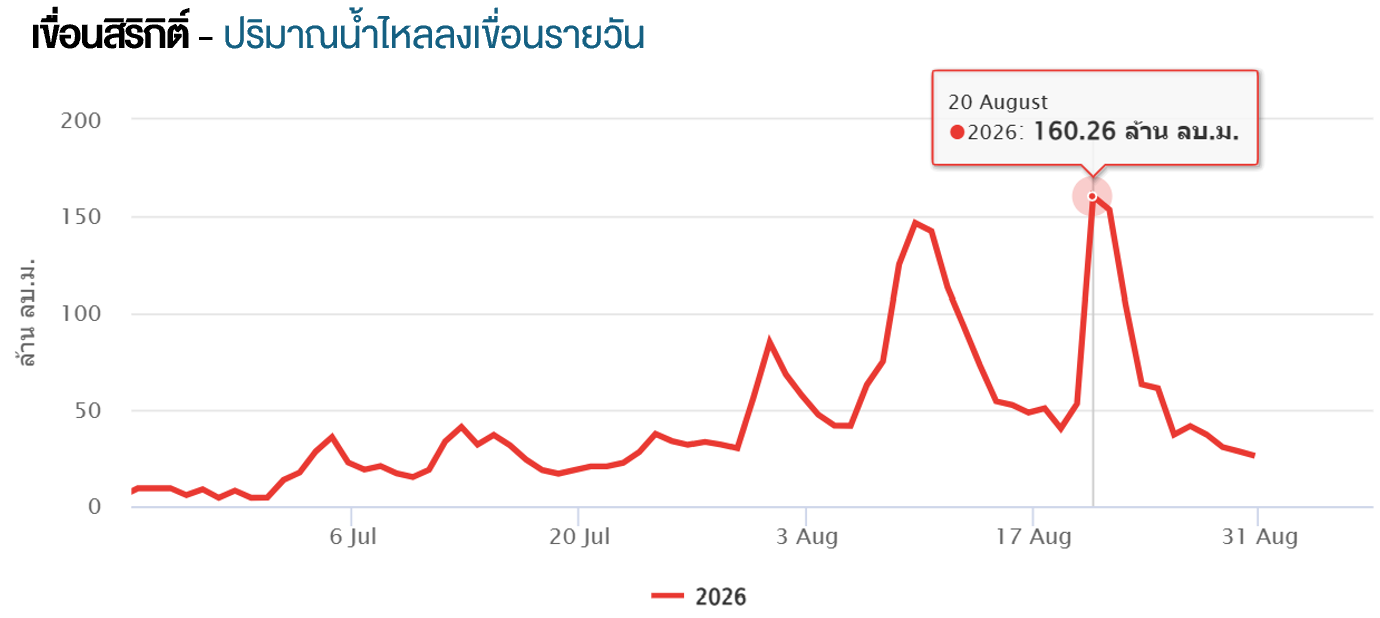
สถานการณ์ฝนตกหนักมากที่เกิดขึ้นบริเวณจังหวัดน่านยังส่งผลทำให้มีน้ำไหลลงเขื่อนสิริกิติ์ค่อนข้างมาก โดยเฉพาะในวันที่ 20 สิงหาคม 2569 ที่มีน้ำไหลเข้ารวมทั้งวันมากที่สุดถึง 160.26 ล้านลูกบาศก์เมตร เพิ่มขึ้นจากวันก่อนหน้าถึง 107.11 ล้านลูกบาศก์เมตร ถือเป็นปริมาณน้ำที่เพิ่มขึ้น
อย่างรวดเร็ว อีกทั้งในวันถัดมาก็ยังคงมีน้ำไหลเข้ามากอย่างต่อเนื่อง ปริมาณน้ำไหลเข้ารวมทั้งวัน 153.30 ล้านลูกบาศก์เมตร ก่อนที่จะลดลงอย่างต่อเนื่องในวันถัดมา ซึ่งในช่วงเวลาดังกล่าว เขื่อนสิริกิติ์มีการระบายน้ำออกอยู่ที่ประมาณวันละ 8 ล้านลูกบาศก์เมตร ทั้งนี้ ณ วันที่ 23 สิงหาคม 2569
ปริมาณน้ำกักเก็บของเขื่อนอยู่ที่ 6,728 ล้านลูกบาศก์เมตร (71% ของความจุเขื่อน) อยู่ในเกณฑ์น้ำปานกลาง เพิ่มขึ้นจากวันที่ 18 สิงหาคม 2569 ประมาณ 6% และได้เริ่มเพิ่มการระบายจากเดิมเป็นวันละ 10 ล้านลูกบาศก์เมตร ตั้งแต่วันที่ 24 สิงหาคม 2569
The very heavy rainfall in Nan province also resulted in a substantial inflow of water into the Sirikit Dam. In particular, August 20, 2026, saw the highest daily inflow peak at 160.26 million cubic meters, representing a sharp surge of 107.11 million cubic meters from the previous day. This high volume of
inflow persisted into the following day, with a total daily inflow of 153.30 million cubic meters, before gradually declining over the subsequent days. During this period, the Sirikit Dam maintained its water discharge at approximately 8 million cubic meters per day. As of August 23, 2026, the dam's water storage
stood at 6,728 million cubic meters (71% of its total capacity), which is classified as a moderate water level. This marked an increase of about 6% from August 18, 2026. Consequently, the dam raised its discharge rate to 10 million cubic meters per day, effective from August 24, 2026.